
SETAC: The South East Transactional Analysis Conference
In association with Connexus Institute
About the Conference
The South East Transactional Analysis Conference (SETAC) is a new, annual one-day conference created to support the development of transactional analysis practitioners across the South East of England and beyond.
Our inaugural conference on 7 November 2026, hosted at the University of Brighton, is designed with students and trainees particularly in mind — though it warmly welcomes practitioners at every stage of their professional journey. Whether you are in the early stages of training, preparing for your CTA examination, or an experienced practitioner looking for fresh perspectives, SETAC offers something of value.
The day features a rich programme of workshops, plenaries, and panel discussions led by experienced and respected figures in the TA community. Sessions cover a deliberately broad range of topics — from creative practice and research literacy to the business of therapy, neuroinclusive practice, LGBTQ+ affirmative approaches, client assessment, and professional vulnerability. The programme has been shaped around the real questions and challenges that practitioners face, with a particular focus on the competencies expected across TA qualification frameworks.
SETAC aims to be more than a conference — it is a space for connection, honest conversation, and professional growth. Our closing plenary invites delegates to reflect on how they learn, how they make the most of supervision, and how they continue to develop throughout their careers.
We look forward to welcoming you to Brighton.
Date: Saturday 7th November 2026
Time: 9:00 am – 5:00 pm
Mode: In-person at the University of Brighton
Cost: £95 (student), £110 (early bird), £125 (full price)
Conference Workshops and Speakers
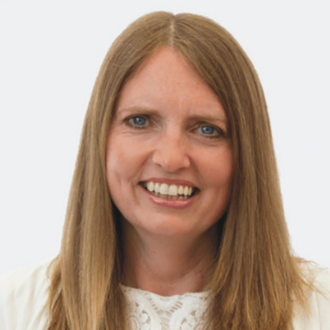
Rachel Cook TSTA (P): Opening Plenary
"Showing Up as Ourselves: An Existential View of Self-Disclosure in Practice" How much of yourself do you bring into the room? It’s a question trainees wrestle with, and it doesn’t have a simple answer. Self-disclosure appears in our competency frameworks as something to be done “appropriately.” But what does appropriate actually mean? Drawing on her recent book Existential Perspectives in Transactional Analysis: The Development of the Adult Self and the Human Search for Meaning, Rachel explores the space between authenticity and boundaries. When does sharing serve the client? When does it serve us? And what does it really mean to show up as ourselves?

Dr Helena Hargaden: Morning Workshop A
"Searching for Normal: What Timimi's Challenge Means for Relational Practice" Sami Timimi's book 'Searching for Normal' asks uncomfortable questions about the diagnostic frameworks we've all grown up with professionally. If mental health categories are culturally constructed, politically shaped, and commercially driven, what does that mean for how we sit with our clients? And what happens when we stop reaching for a label and start reaching for the person? This workshop puts Timimi's critique into conversation with relational psychotherapy. His argument — that distress is better understood through context, culture, and relationship than through diagnosis — resonates deeply with the relational tradition. Helena draws on her own work at the intersection of transactional analysis and relational psychoanalysis to explore what it means to hold a client's experience without the scaffolding of diagnostic certainty. This isn't a workshop about abandoning all frameworks. It's about examining which ones serve the relationship — and which ones get in the way.

Amanda Bradley PTSTA (P): Morning Workshop B
"The Business of Therapy: What They Don't Teach You in Training" Our qualification frameworks expect professional competence, including clear business contracting. Yet most training focuses on the consulting room, not what actually surrounds it. We're often left to muddle through the commercial, legal, and administrative foundations of running a practice. Amanda Bradley brings a unique perspective: twenty years in corporate finance before retraining as a therapist. This workshop draws on both worlds, helping you think through what a sustainable practice actually looks like and offering space to ask the questions you might not have felt you were able to raise elsewhere.
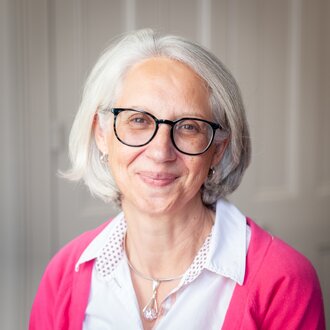
Cazzy Stilwell, TSTA (P): Morning Workshop C
"Beyond the Sandtray: What Does Working Creatively Actually Mean?" When people talk about creative practice, they often picture sandtrays and art materials. But what if your therapy takes place in a context with little beyond a room and two chairs? Creativity appears in our qualification criteria, yet the meaning of it is rarely unpacked. What does it actually mean to work creatively? This workshop challenges assumptions and explores how to access creativity with whatever you have. Including the most important resource: yourself.

Peter Golder CTA (P): Morning Workshop D
"Scripting, Culture, and Sexual Orientation: A Framework for LGBTQ+ Affirmative Practice" While "LGBTQ+ affirmative practice" is central to modern ethical codes, its clinical application may trigger anxiety for some practitioners. But what does the term actually mean? And why do so many therapists, particularly those who don't identify as LGBTQ+ themselves, still feel uncertain enough to refer this work elsewhere? This workshop, provided by a therapist from the LGBTQ+ community, provides a robust framework for understanding affirmation as an active relational process. Drawing on the TA concept of Script and Pearl Drego's model of Cultural Scripting, we explore how heteronormative and cisnormative scripting function as powerful introjected social constructs, and acknowledge what this may mean for our clinical work. We'll also look at what constitutes good and bad practice, and how our own cultural scripts may be shaping our responses in ways we haven't yet noticed.
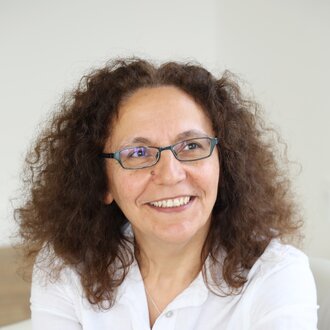
Dr Hulya Hooker: Afternoon Workshop A
"Research Without Fear: A Practical Introduction" There's a myth that engaging with research means doing research. Designing studies, writing papers, collecting data. Most practitioners don't need to do any of that. What they need is to be confident consumers of research: able to find it, read it critically, and know what to trust. This workshop is for anyone who feels uncertain about research. We'll explore what it actually is, why it matters for practice, and how you can engage with it without ever running a study yourself.

Nancy Dalton, CTA (P): Afternoon Workshop B
"The Art and Skill of Client Assessment" Assessment is an ongoing process, though those early sessions in any therapy do carry particular weight. You're building rapport while gathering information. Forming impressions, making judgements, working out whether this is someone you can help. And it goes both ways: you're also creating space for the client to decide whether they can and want to work with you. What should you actually be looking for? How do you think diagnostically while staying relational? This workshop offers a practical framework for thinking about assessment, with tools and ideas you can apply directly in practice.

Holly Simmonds, UKCP Reg: Afternoon Workshop C
"Minding the Gaps: A Five-Gap Model for Understanding Professional Vulnerability" Our qualification frameworks expect ethical competence, self-awareness, and an understanding of our own limitations. But how do we actually notice when we're becoming vulnerable in our practice? Holly Simmonds introduces her Five-Gap Model, a framework for identifying the areas where practitioners are most at risk of ethical difficulty. From unresolved personal material to role conflation, from knowledge gaps to organisational pressures and under-resourcing, this workshop offers a practical tool you can use wherever you are in your training or career, across several contexts.
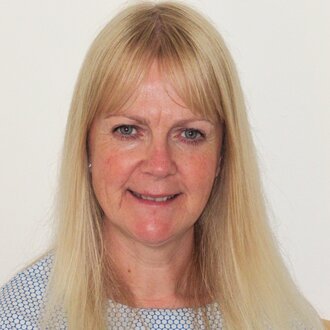
Julie Shepherd: Afternoon Workshop D
"Neuroinclusive Practice" Neurodivergence covers a vast and varied landscape. There's no single profile, no universal set of accommodations, no checklist that works for everyone. Our frameworks ask for sensitivity to diversity, but what does that actually look like when every neurodivergent client is different? This workshop is designed to meet you wherever you are on that journey. We'll explore how to create space for discovery rather than assumption, how to negotiate what works without imposing, and how to notice your own ableism — and your client's internalised version of it. We'll also consider where TA theory might need revisiting in an ND context. The aim isn't expertise. It's a willingness to learn alongside your clients.

Patrick Brook TSTA (P): Closing Plenary
By the end of a day like this, you’ll have taken in a lot. But what will you actually take away? And how do you make sure the things that matter don’t just fade by Monday? This closing session draws on principles of adult learning to explore what helps us grow as practitioners — and what gets in the way. Chaired by experienced educators and supervisors, Mandy and Patrick, with a panel of presenters from the day, this session invites you to explore how you learn, how you might make better use of supervision, and how you continue to develop as your work and career progress.

Mandy Atkinson TSTA (P): Closing Plenary
By the end of a day like this, you’ll have taken in a lot. But what will you actually take away? And how do you make sure the things that matter don’t just fade by Monday? This closing session draws on principles of adult learning to explore what helps us grow as practitioners — and what gets in the way. Chaired by experienced educators and supervisors, Mandy and Patrick, with a panel of presenters from the day, this session invites you to explore how you learn, how you might make better use of supervision, and how you continue to develop as your work and career progress.